Navigating the metabolic shifts that can occur during midlife and menopause often brings a focus on maintaining balanced blood sugar levels and supporting healthy insulin function. Inositol, in its various forms like myo-inositol and D-chiro-inositol, has garnered attention for its potential role in these important cellular processes.
This article will delve into the scientific understanding of how inositol works with insulin signaling within the body. We’ll explore the complex mechanisms by which these compounds may support the cellular communication pathways vital for metabolic well-being.
Insulin’s Crucial Role: More Than Just Blood Sugar
Insulin, a hormone produced by the pancreas, is well-known for its role in regulating blood glucose. However, its functions extend far beyond simply managing sugar levels. Insulin acts as a key that unlocks cells, allowing glucose to enter and be used for energy or stored for later use. This process relies on a sophisticated communication system within the cells, often referred to as insulin signaling.
When insulin binds to receptors on the surface of a cell, it triggers a cascade of internal messages. These messages, often called ‘second messengers,’ are critical for the cell to respond appropriately to insulin’s instructions [1]. Without effective second messengers, the cell might not ‘hear’ insulin’s message clearly, potentially leading to challenges in glucose uptake and utilization. Understanding how inositol works with these internal messages is central to appreciating its potential role in metabolic health.
Inositol and the ‘Second Messenger’ System
The concept of ‘second messengers’ in insulin action has been explored for decades, with early research seeking to identify these crucial internal signals [1][2]. Inositol-containing compounds have been identified as important components of this intricate cellular communication [3]. Specifically, certain inositol glycans are thought to act as second messengers, relaying insulin’s message from the cell surface to its interior [4].

Myo-inositol, for instance, is a precursor to various inositol phosphate compounds that play diverse roles in cellular signaling [5][6]. These compounds are not merely passive participants; they are actively involved in translating the external insulin signal into specific cellular responses. This intricate system highlights how inositol works at a foundational level to support the cellular machinery involved in metabolic regulation.
Myo-Inositol and D-Chiro-Inositol: Different Roles in Signaling
While both myo-inositol and D-chiro-inositol are forms of inositol, they are thought to play distinct roles within the insulin signaling pathway. Myo-inositol is considered the most abundant form of inositol in the body and is a precursor for various inositol phosphates that are involved in numerous cellular processes, including those related to insulin action [6].
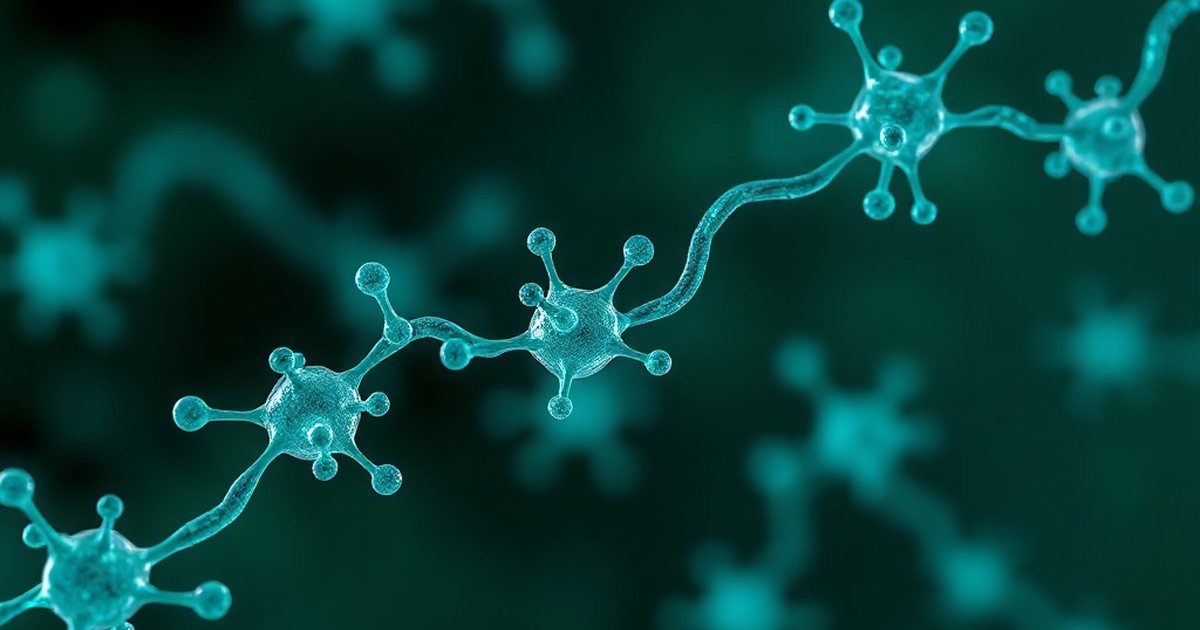
D-chiro-inositol, on the other hand, is believed to be involved in specific aspects of insulin signaling, particularly in mediating insulin’s effects on glucose metabolism. Research suggests that D-chiro-inositol may function as a component of an insulin second messenger, contributing to the proper functioning of insulin-responsive enzymes [7]. The balance and availability of these inositol forms are considered important for optimal insulin signaling, illustrating the nuanced ways how inositol works within the body’s metabolic pathways.
The Inositol-Glycan Mediators
A key area of research regarding how inositol works with insulin signaling involves the concept of ‘inositol-glycan mediators.’ These are complex molecules derived from inositol that are released from the cell membrane in response to insulin binding [3]. These mediators then act within the cell to activate or deactivate various enzymes, ultimately influencing glucose uptake and other metabolic processes.

One specific type, prostagladinylinositol cyclic phosphate (cPIP), has been identified as a novel second messenger of insulin action, with comparative analysis highlighting its role alongside other ‘insulin mediators’ [4]. This underscores the sophisticated and multi-faceted nature of insulin signaling, where inositol derivatives are integral to transmitting the hormone’s instructions effectively throughout the cell. The precise mechanisms of these mediators continue to be an active area of scientific exploration.
Inositol’s Broader Cellular Significance
Beyond its direct connection to insulin second messengers, inositol and its metabolites are fundamental to a wide array of cellular signaling pathways [5][6]. Inositol phosphates are involved in regulating cell growth, differentiation, and even responses to various hormones [8][9]. This widespread involvement underscores the foundational importance of inositol in maintaining overall cellular health and function.
The ability of inositol to influence such diverse pathways suggests that supporting its availability may have broad implications for cellular communication. While the focus here is on how inositol works with insulin signaling, its role in the broader cellular landscape reinforces its significance for metabolic well-being, especially as the body navigates the changes of midlife and menopause.
References
- In search of a second messenger for insulin. The American journal of physiology, 1988
- Second messengers of insulin action. Diabetes care, 1990
- Insulin second messengers. BioEssays : news and reviews in molecular, cellular and developmental biology, 1997
- Prostaglandylinositol cyclic phosphate (cPIP): a novel second messenger of insulin action. Comparative analysis of two kinds of “insulin mediators”. Diabetes/metabolism research and reviews, 2001
- myo-inositol metabolites as cellular signals. European journal of biochemistry, 1990
- The cellular language of myo-inositol signaling. The New phytologist, 2011
- Inositol as putative integrative treatment for PCOS. Reproductive biomedicine online, 2016
- PLC-alpha: a common mediator of the action of estrogen and other hormones?. Molecular and cellular endocrinology, 1991
- Inositol signaling and plant growth. Trends in plant science, 2000
These statements have not been evaluated by the Food and Drug Administration. This information is not intended to diagnose, treat, cure, or prevent any disease. Content is for informational purposes only and is not medical advice; consult a qualified healthcare provider before starting any supplement. As an Amazon Associate we earn from qualifying purchases.
